
Inclusion is not just a checkbox to tick off in educational planning; it is a philosophy that serves as the cornerstone of a just and equitable society. At its core, inclusion advocates for the fundamental dignity and worth of everyone, acknowledging that every student has a unique set of skills, abilities, and perspectives that enrich our collective human experience. As an advocate for special education, my philosophy of inclusion is deeply rooted in the belief that separate is not equal, and that isolation—whether intentional or not—is a form of alienation that we cannot afford in our schools.
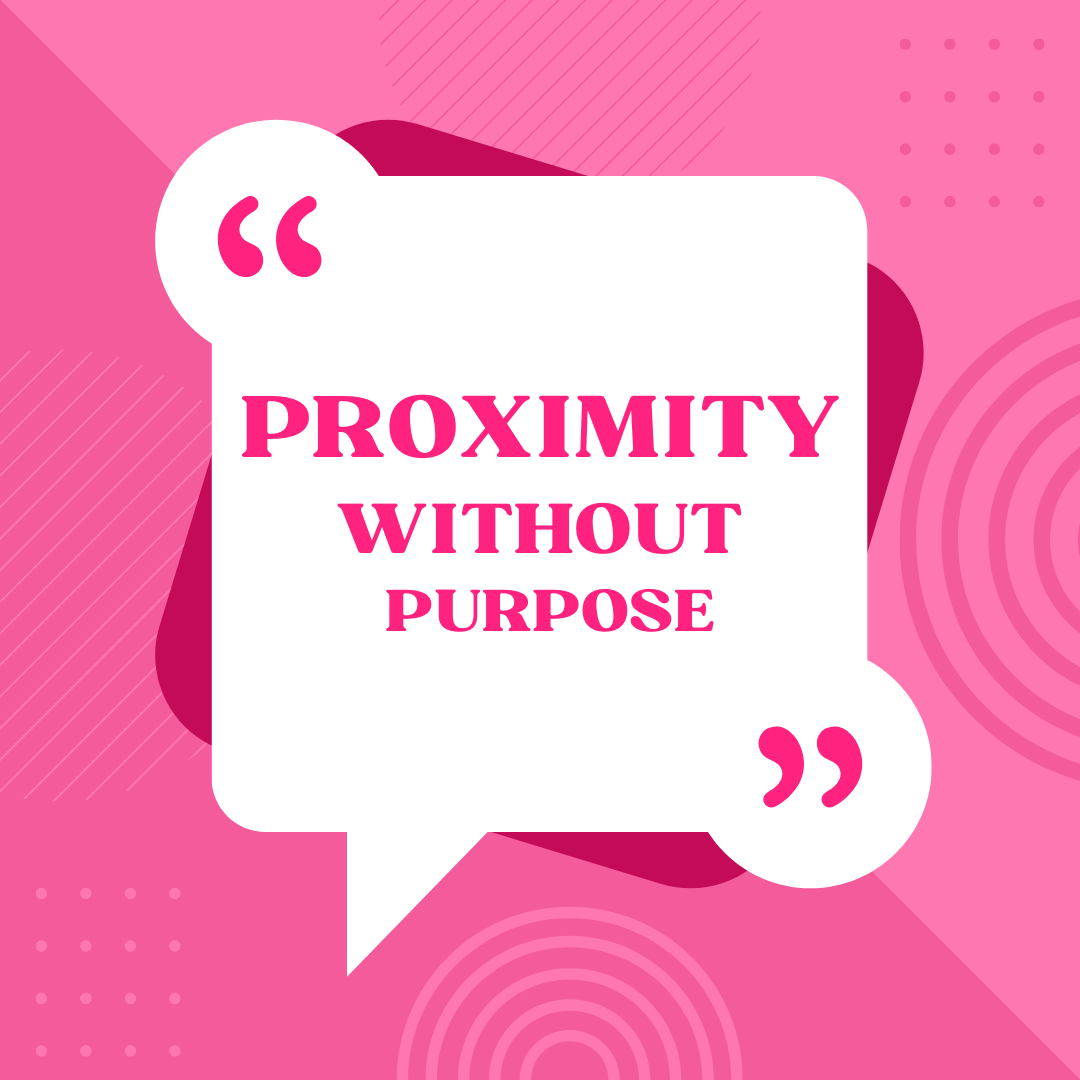
However, it’s important to clarify what true inclusion is not. Simply placing a child with a disability at the back of a general education classroom does not meet the criteria for genuine inclusion. There is a disservice done when we confuse physical presence with active participation. If a student is at a first-grade reading level, how beneficial is it for them to struggle to read in front of fifth-grade peers? Such practices can be isolating and detrimental to a child’s self-esteem and psychological well-being. That’s not inclusion, that’s proximity without purpose!
It’s insufficient to point out the problems without offering solutions, so let’s not stop there. To create truly inclusive environments, we need a multi-faceted approach that addresses both systemic barriers and individual biases. Systemically, many of our educational institutions lack the infrastructure to accommodate diverse needs. This is not merely a problem of outdated buildings or inadequate facilities, but a glaring omission that sends a clear message: “You are not welcome here.” This needs to change, and change must be driven by adequate funding, comprehensive planning, and a commitment from all stakeholders to meet the essential needs of every student.
Social norms and biases against individuals with disabilities further exacerbate the challenges of true inclusion. We must be willing to tirelessly work to dismantle these stigmas and educate both the young and the old that differences do not signify deficits. Being different does not mean being less capable. Teachers can lead the way by setting an example, fostering a culture of acceptance, and creating an inclusive curriculum that acknowledges and celebrates diversity.
As an advocate, I’ve found that many are not opposed to inclusion but are rather misinformed about what it means and how it benefits not just students with disabilities, but everyone involved. This misinformation perpetuates harmful practices and attitudes. Therefore, an essential part of our advocacy should be rooted in education and dialogue. The first step to true inclusion is educating others about its intrinsic value, not just for those who are marginalized, but for society as a whole.
Inclusion requires ongoing efforts, constant re-evaluation, and the humility to admit when we’re wrong and make amends. It calls us to be champions for those who have been marginalized and advocates for a future that recognizes the worth and potential of every individual. After all, inclusion is not about tolerating differences; it’s about celebrating them. It’s not about making room at the table; it’s about ensuring everyone has a seat and a voice. My philosophy of inclusion is, therefore, an ongoing commitment to making the world not just accessible but genuinely welcoming to all, irrespective of their abilities or disabilities.
vocational and transition planning within Individualized Education Programs (IEPs) for students with developmental disabilities. At the core of this discussion is the philosophy of true inclusion—an approach grounded in equality, dignity, and active participation.
Inclusion is not just about proximity. Too often, students with disabilities are placed in general education classrooms without the support they need to thrive. We call this “proximity without purpose.” Imagine a student who reads at a first-grade level, struggling to keep up with peers in fifth grade. They might be in the same room, but without meaningful engagement, they aren’t truly included. This practice can lead to isolation, lowered self-esteem, and a lack of progress.
True inclusion means recognizing the unique skills and perspectives each student brings. It’s not about tolerating differences but celebrating them. It’s not just about making room at the table; it’s about ensuring every student has a seat and a voice. Transition planning in IEPs should be built on this philosophy. It must be designed to prepare students not just academically, but for life—whether that means post-secondary education, employment, or independent living.
Effective transition planning involves setting clear, meaningful goals based on the student’s strengths and aspirations. It requires collaboration between students, families, and educators to craft an individualized plan. These plans should include age-appropriate transition assessments, vocational training, and life skills development, all while ensuring the student remains in the least restrictive environment.
However, achieving true inclusion isn’t without challenges. Systemic barriers, such as inadequate infrastructure and societal stigmas, often stand in the way. We must address these issues head-on. Schools need adequate resources, training, and a mindset shift to facilitate genuine inclusion. Moreover, inclusive practices like differentiated instruction, peer support, and community-based learning experiences are essential.
Advocacy is crucial. We must ensure that students’ rights under IDEA and Section 504 are upheld. We have to fight against practices that equate to a denial of FAPE—like placing students in classrooms where they merely exist rather than actively participate. Transition planning is not just about preparing students for the next phase of life; it’s about ensuring they can participate fully in their current educational experience.
In conclusion, let’s commit to an approach that values purposeful engagement over mere proximity. Inclusion should be about preparing every student to succeed, ensuring they feel seen, heard, and valued. Our students deserve more than just a place in the room; they deserve an environment that champions their potential and celebrates their unique contributions.

Leave a Reply